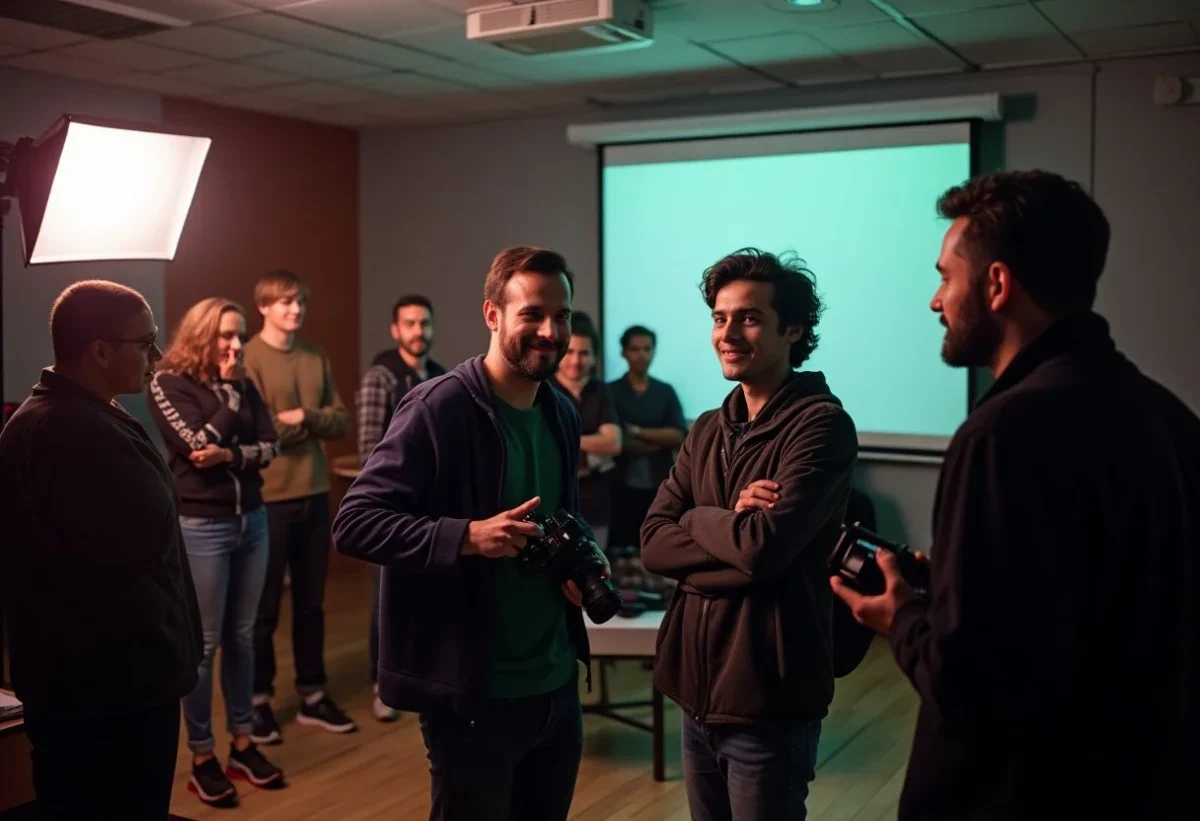
In a world where image reigns supreme, cinema stands out as a universal art form, transcending borders and languages. The allure of this fascinating universe continues to grow, captivating creative minds eager to tell visual stories. To aspire to become a master of the seventh art, it is essential to undergo a structured and comprehensive training in the field of cinema. Specialized schools around the world offer a multitude of programs aimed at training the new generations of filmmakers and perpetuating the magic of cinema.
An exploration of the different aspects of cinema training
To understand the workings of Cinema Training, it is important to look at the multiple aspects it encompasses, ranging from directing techniques to the subtleties of acting.
The first step in learning cinema often involves acquiring technical knowledge. The student is led to master the use of the camera, lighting, sound, and editing, which are the pillars of film production. These fundamental skills are often complemented by a deep understanding of editing software and emerging technologies in the audiovisual field, which play a crucial role in creating a modern cinematic work.
Next, the training focuses on developing artistic vision and aesthetic sensitivity. Courses in film analysis, film history, and storytelling theory allow students to nurture their creativity and draw inspiration from the masters of cinema. They learn to decode visual codes and understand the different schools of thought that have shaped cinema throughout the ages.
The collaborative aspect of cinema is also emphasized, as it is inherently a collective art. Students are often encouraged to work in teams on practical projects, simulating the real conditions of a film shoot. This approach allows them to develop interpersonal skills and project management abilities, essential for successfully carrying out a film production.
The role of schools and cinema training programs
Academic institutions play a fundamental role in training future cinema professionals, offering a variety of programs tailored to individual ambitions.
- Renowned film schools: Schools such as FEMIS in France, AFDA Conservatory in South Africa, or the University of Southern California in the United States are known for their excellence and innovative pedagogical approach. They offer curricula that cover all aspects of cinematic creation, from theory to practice.
- Internships and workshops: Field internship opportunities and specialized workshops provide students with the chance to confront the realities of the industry and benefit from the experience of seasoned professionals.
- Online programs: In recent years, many online courses have emerged, allowing students to access quality content from anywhere. These online programs are particularly appealing to those who wish to train remotely while enjoying flexibility in their schedules.
Career paths and professional opportunities after cinema training
The academic journey in the field of cinema opens the door to a multitude of exciting and diverse careers, where talents can fully flourish.
After completing their training, students can explore careers in directing, screenwriting, cinematography, editing, or production. Each sector offers unique opportunities that require specific skills. For example, a director must have a clear artistic vision and project management skills, while a screenwriter focuses on creating impactful dialogues and captivating plots.
The professional network that students develop during their training is also a valuable resource. Collaborations with other students and encounters with industry professionals can lead to career opportunities in the sector.
Finally, those who have a passion for teaching or research may consider academic careers, thereby contributing to training the next generation of filmmakers and enriching the theoretical corpus of cinema.