Installing a sink requires special attention to current standards to ensure both safety and proper functioning of your sanitary installation. Key steps must be followed, from choosing the location to setting up the plumbing. Professional tips can also facilitate the process and ensure a clean and durable finish. Whether you are a beginner DIYer or more experienced, be sure to follow the guidelines for an installation that meets quality and safety requirements. This involves knowledge of plumbing, as well as an understanding of the necessary products and tools.
Compliance with Standards for Sink Installation
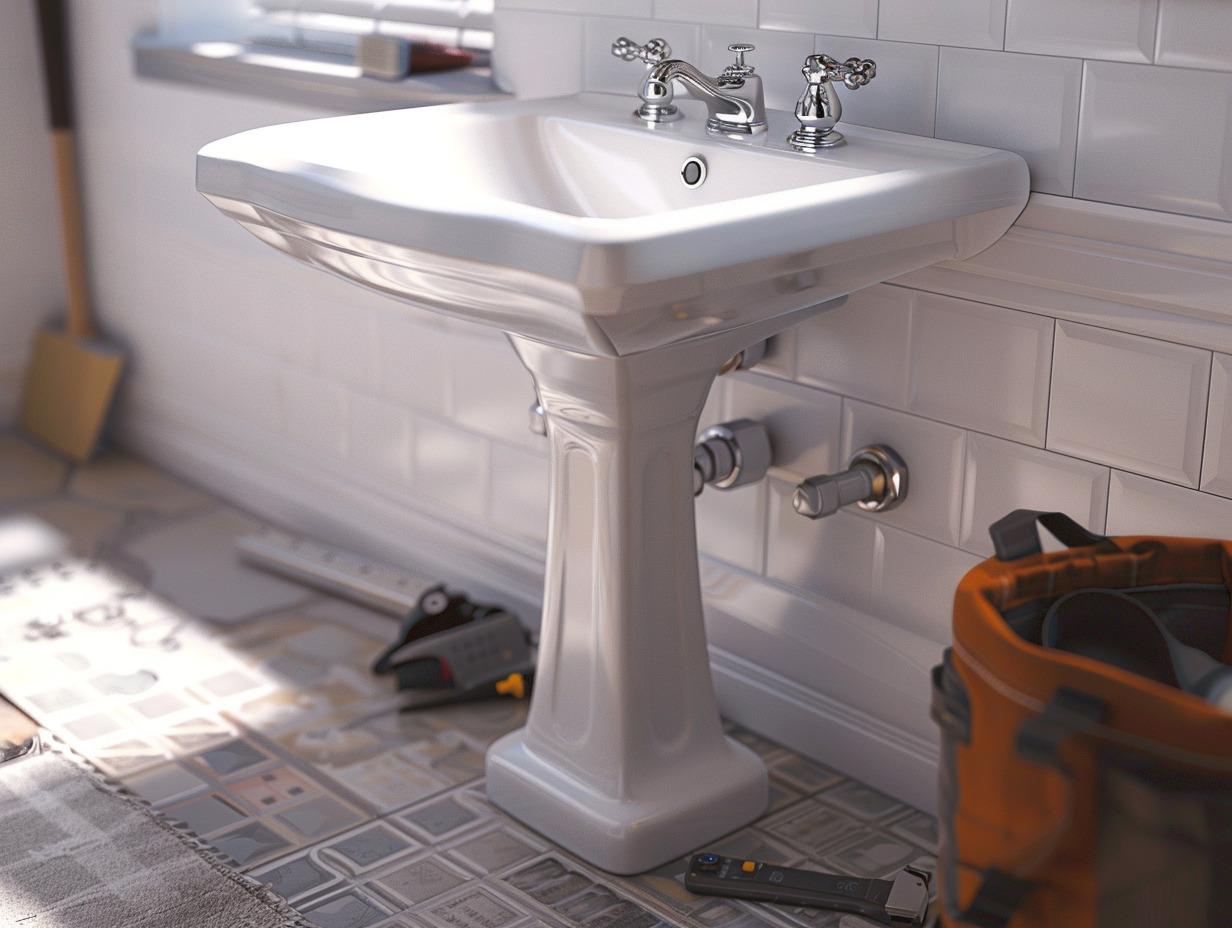
The installation of a sink, an essential fixture in the bathroom, follows a protocol where precision and compliance with standards are paramount. The sink drainage height should be adjusted to about 50 centimeters above the floor, allowing for optimal ergonomics and adherence to technical specifications. This aspect, often overlooked, is a fundamental detail for daily comfort and to prevent issues related to poorly designed drainage.
The water connection for the sink is another key step in the installation process. It involves carefully connecting the hot and cold water supplies while ensuring the seals are watertight and the overall assembly is sturdy. Plumbing skills are required here to ensure a flawless setup, avoiding leaks and other inconveniences that may arise from improper connections.
As for the installation costs, they vary depending on the quality of the chosen materials, the sink design, and the complexity of the project. For a professional installation, hiring a qualified plumber is a wise move, allowing you to benefit from proven expertise and compliance with current standards. This professional will also advise you on the necessary materials and best practices for a durable and secure installation.
Tips and Practical Advice for a Successful Installation
Before starting the installation of your sink, carefully measure the available space. Good preparation includes checking the dimensions, not only of the sink but also of the space needed for comfortable use and for additional installations such as the mirror and faucets. This foresight avoids costly mistakes and ensures a harmonious integration of the fixture into your bathroom.
The choice of tools and necessary materials is crucial for the success of the installation. Opt for professional-quality tools to ensure precise tightening and avoid damage to the sink or plumbing. Don’t forget to add a spirit level to your toolkit to guarantee perfect alignment of your sink. A well-leveled installation is a sign of durability and aesthetics.
In plumbing, mastering sealing techniques is fundamental. Use silicone seals or appropriate sealing rings to prevent any water infiltration. The application should be meticulous, without excess, to ensure optimal protection of the joints between the sink, the wall, and the plumbing. Good sealing means peace of mind in the long term, avoiding water damage and mold.
For those who do not consider themselves handy, or who prefer to ensure a flawless installation, calling in a plumbing professional is a wise option. The plumber has the skills, experience, and tools necessary for a compliant and durable setup. Plumbing training is available for those who wish to acquire the required skills and understand the subtleties of the plumbing trade.