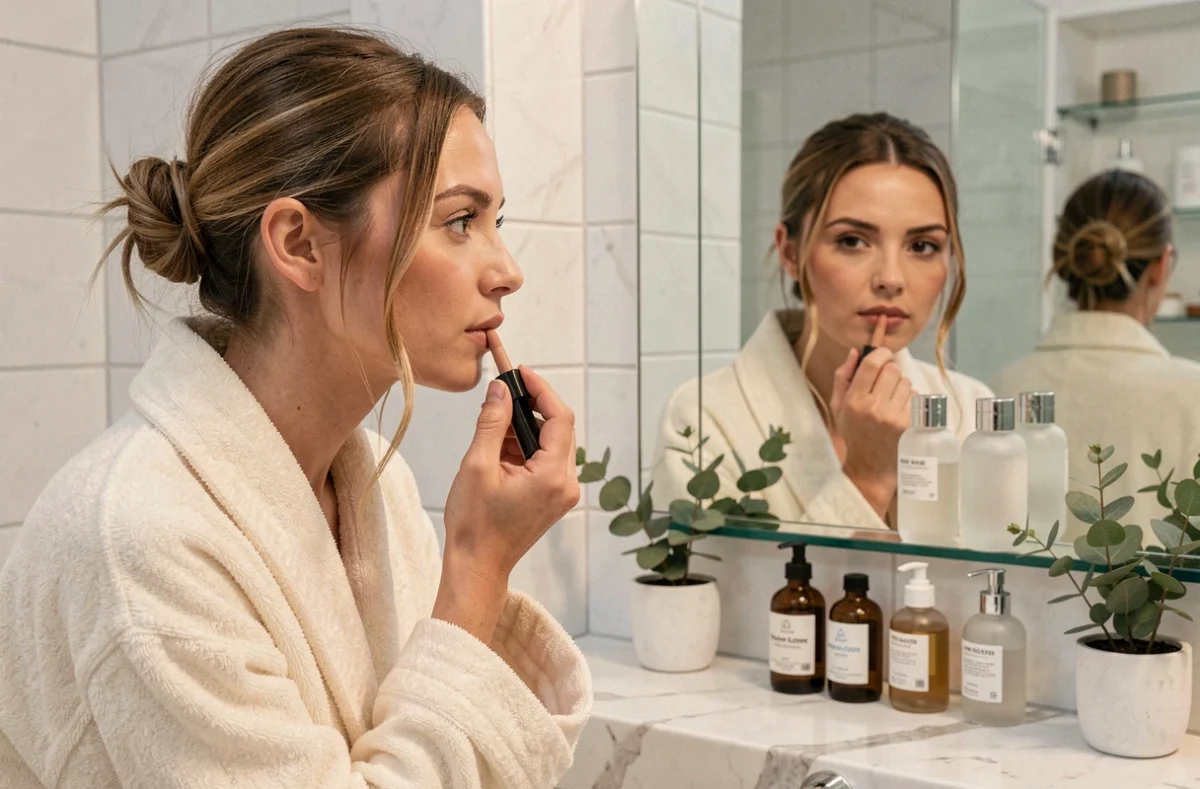
Cosmetic formulations are changing faster under regulatory pressure than under the influence of Instagram trends. New lists of allergens to declare, a timetable for restricting microplastics, the debate on PFAS in France: these constraints are reshaping the ranges available on shelves and altering what “enhancing one’s daily life” concretely means in terms of skincare and makeup.
Fragrance allergens and cosmetic labeling: what’s changing on packaging
European rules on fragrance allergens have changed cosmetic labeling. The list of substances that must be declared has expanded, which mechanically lengthens the INCI list on the packaging of perfumes, creams, and hair products.
For the informed consumer, the direct consequence is visible: labels display more identified allergens. Some brands are reformulating to avoid mentioning molecules perceived negatively, even if they remained below the thresholds. Others embrace transparency and retain their olfactory accords.
This phenomenon also affects ambient fragrances and scented candles that fall under the same framework. We see that this evolution pushes niche brands to communicate more openly about their compositions, transforming a regulatory constraint into a differentiation argument. Following the news from Beauty Girl helps identify brands that are genuinely adapting their formulas rather than just modifying their labels.
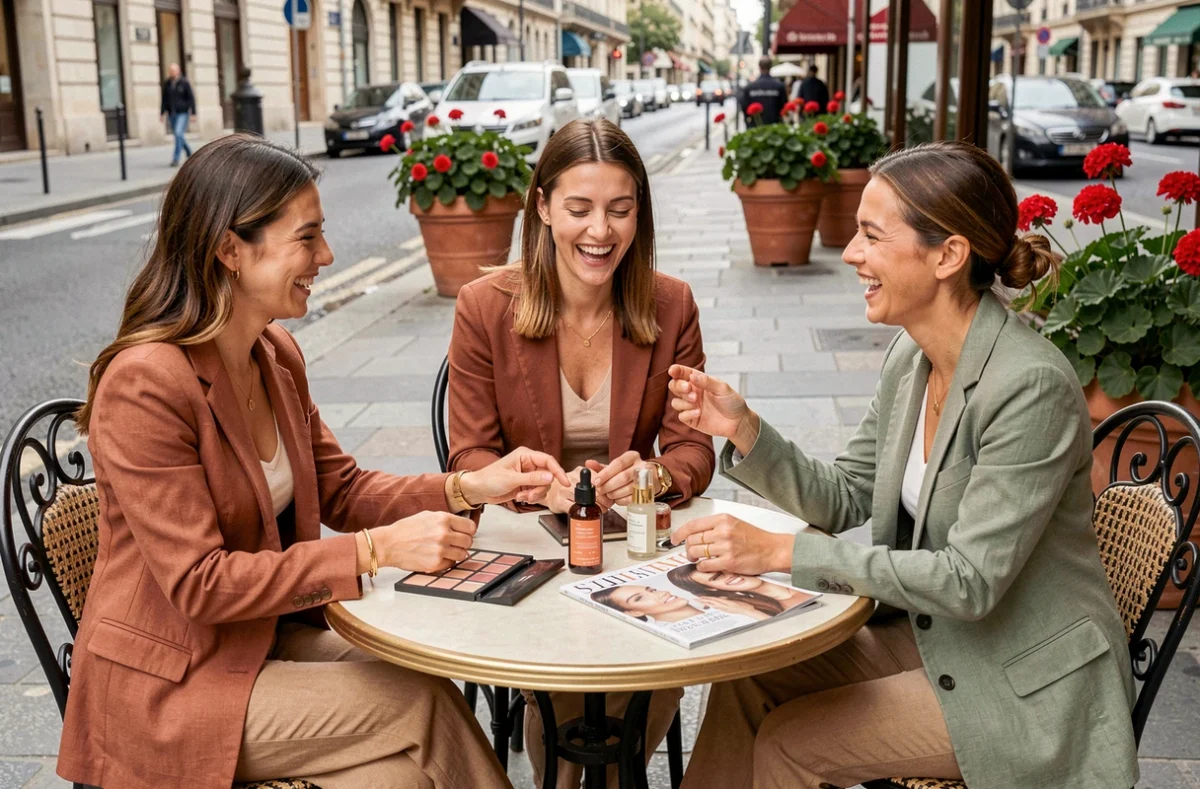
Microplastics restriction: a timetable that redefines textures
The European regulation on microplastics is not limited to banning exfoliating beads in scrubs. Compliance deadlines vary depending on the type of product: rinsed cosmetics, leave-on products, and makeup follow different timetables.
This distinction explains why some categories are reformulating faster than others. Shower gels and exfoliating shampoos were the first to be affected. Long-wear foundations and makeup setting sprays, which use synthetic polymers for their film-forming properties, have longer deadlines.
Textures and performance to watch
Laboratories are gradually replacing these polymers with bio-based alternatives. The final texture changes: less immediate “slip” upon application, sometimes a more matte finish. Brands investing in R&D reformulate without a notable loss of performance, but entry-level products may see a decline in sensory quality.
- Exfoliants now use plant powders (apricot kernel, bamboo) or cellulose microspheres, with a more irregular grain than the old plastic beads
- Primers and makeup bases replace some encapsulated silicones with plant esters, which alters the wear duration
- Reformulated sunscreens prioritize texture agents compatible with regulations, sometimes at the cost of a slight residual white effect
Cosmetic performance is directly linked to the formulation budget. Brands that advertise “microplastic-free” before the regulatory deadline are using it as a commercial argument, but the real question concerns the quality of the substitutes used.
PFAS in cosmetics: the French framework and its consequences
The French debate on PFAS (per- and polyfluoroalkyl substances) directly affects certain cosmetic products. These compounds provide properties of durability and water resistance used in waterproof foundations, long-wear mascaras, and certain sunscreens.
A restriction on PFAS would lead to targeted reformulations, not a disruption of the entire market. The affected categories are those where water or sweat resistance is the main selling point. Classic moisturizing products or matte lipsticks are not affected in the same way.
Skincare and waterproof makeup: reformulation pathways
Alternatives to PFAS exist but do not yet offer the same performance under extreme conditions (sports, high heat). Natural waxes and plant resins cover most daily uses. For high-performance products, laboratories are working on combinations of non-fluorinated film-forming agents.
This regulatory framework also explains why some brands are repositioning their “waterproof” range towards a “water-resistant” argument, which is legally less binding and technically easier to maintain with reformulated formulas.
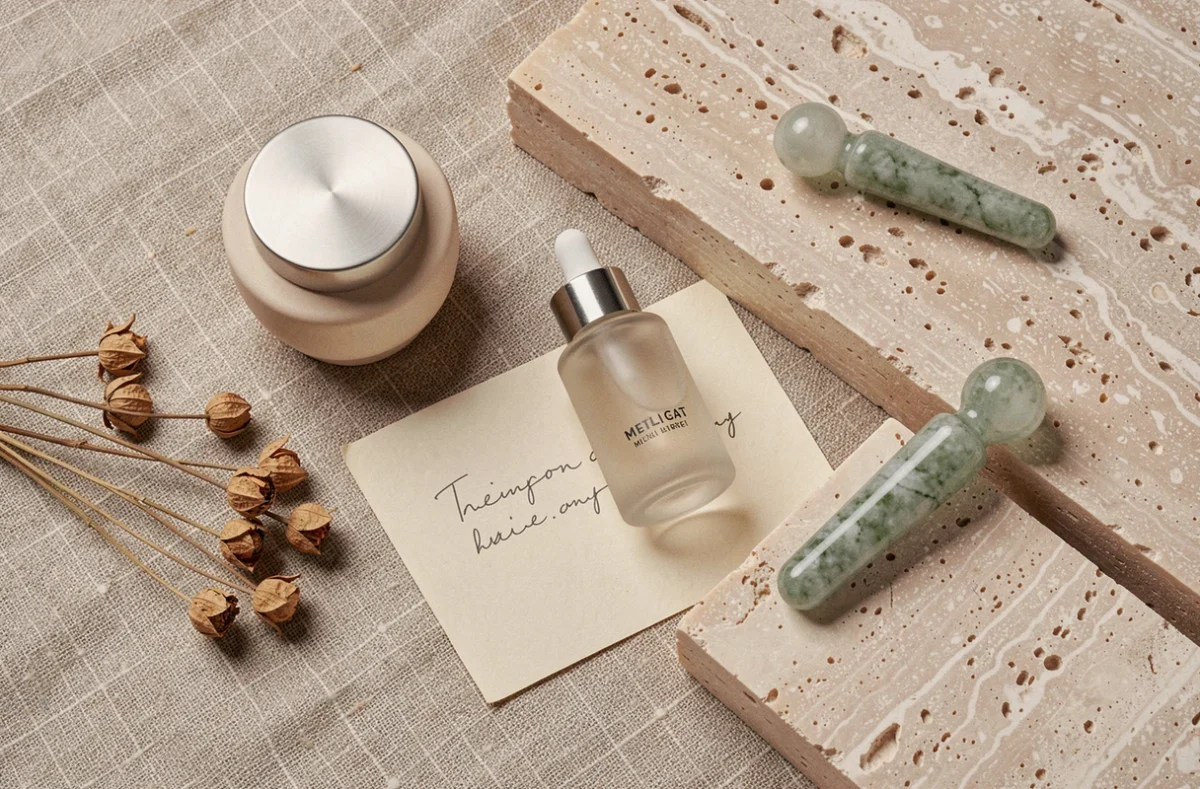
Beauty trends 2026: skinimalism and targeted care in response to regulation
Skinimalism, which involves reducing the number of products in one’s routine to keep only concentrated and multifunctional care, takes on a new dimension when intersected with regulatory developments. Fewer products mean less cumulative exposure to monitored substances.
This approach favors formulas with high concentrations of active ingredients, applied in reduced numbers. A well-dosed serum replaces three layered products. Brands offering care that combines sun protection, hydration, and anti-aging in a single step align with this logic.
Active ingredients to watch this year
- Ashwagandha, an adaptogen used in dietary supplements, appears in topical formulations targeting skin stress and complexion radiance
- Biomimetic peptides continue their progress in anti-aging care, with more stable and better-documented formulations
- Next-generation UV filters, developed to comply with restrictions on certain chemical filters, offer an expanded protection spectrum with lighter textures
Korean body care, which extends facial care rituals to the entire body, fits within this same demand for high-performing and well-formulated products. Milk-gel textures and body essences are gaining ground against traditional thick creams.
The underlying trend is not cosmetic; it is industrial. Brands that anticipate the regulatory framework, invest in reformulation, and communicate clearly about their compositions are the ones that will stand out. Reading INCI lists is becoming a beauty reflex as relevant as testing a texture.