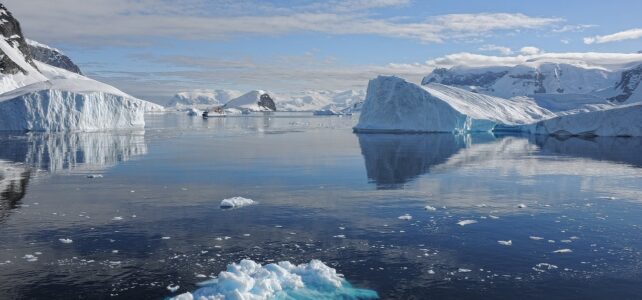
Two geographical terms that resonate and immediately evoke images of vast expanses of ice and extreme cold: the Arctic Ocean and the Antarctic continent. But why do we use these specific terms to designate these remote and mysterious regions of our planet?
The Arctic Ocean
The Arctic Ocean is one of the five major oceans of our planet, located around the North Pole. Unlike other oceans, the Arctic Ocean is primarily covered by ice, giving it a unique beauty and purity. Its name comes from the Greek word Arktos, which means bear, in reference to the polar bears that inhabit its icy regions.
- Origin of the name: Arktos means bear in Greek
- Specificities: covered in ice, habitat of polar bears
The wild beauty and fragility of the Arctic Ocean make it a fascinating and precious place, to be protected and preserved for future generations.
The Antarctic Continent
In contrast to the Arctic Ocean, the Antarctic is an ice-covered continent located around the South Pole. Its name comes from the Greek Antarktikos, which means opposite to the Arctic. This inhospitable and isolated region is home to some of the most resilient species adapted to the extreme conditions of our planet.
- Meaning of the name: opposite to the Arctic in Greek
- Characteristics: ice-covered continent, extreme conditions
- Exploration: discover the incredible adventure of a cruise in Antarctica
The Antarctic is a mysterious and preserved place, where nature reigns supreme and where man can only bow before its grandeur and power.
The Arctic Ocean and the Antarctic continent derive their names from their geographical position and their main characteristic. These unique regions of our planet remind us of the wild beauty and fragility of our environment, and invite us to explore and protect them for future generations.