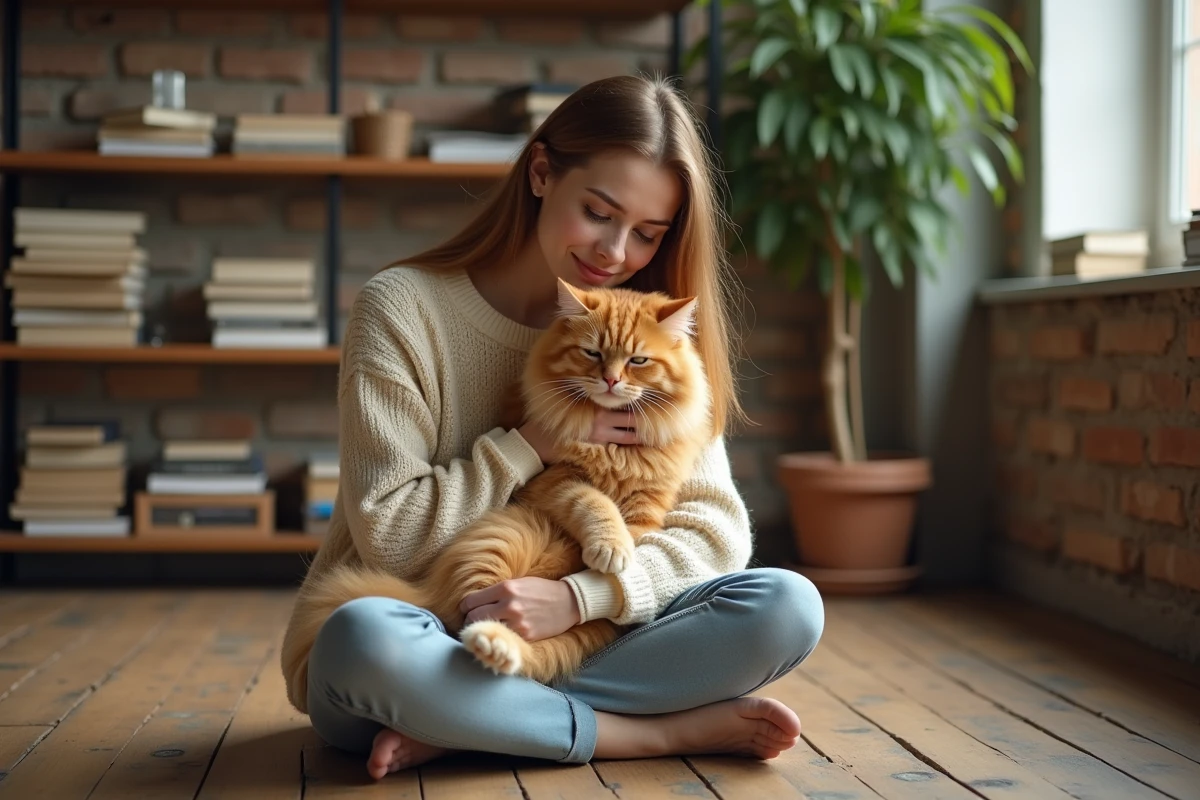
A cat staring at an invisible point on the wall for ten minutes, a dog burying its favorite treat at the back of the garden, a pet rat learning to pull a lever to get its reward. We live with our pets every day, but we miss a lot of what’s going on in their heads.
Understanding their behaviors, their real needs, and the associated constraints changes the way we coexist with them.
Behavioral needs of pets: what the food bowl doesn’t cover
Most owners think about food and veterinary visits. That’s the foundation, not the complete picture. Since 2024, several European countries like Germany, Austria, and Switzerland have tightened their regulations by incorporating the concept of behavioral needs directly into the law.
In practical terms, this means that a cat locked in an apartment without a scratching post, without accessible heights, and without visual stimulation can be considered mistreated under these new standards. A dog left alone for long hours without mental activity falls into the same category.
Detailed information on the specific needs of each species can be found on lesanimauxdelafee.com, which helps to adapt their environment even before adoption.
In France, legislation has not yet integrated these behavioral criteria as explicitly. Feedback on this point varies among animal protection associations, but the European trend suggests that practices will evolve here as well.
Environmental enrichment: simple actions that change everything
There is a lot of talk about enrichment for zoo animals. The principle applies exactly the same way at home.
- For an indoor cat, installing wall shelves at different heights and varying textures (cardboard, fabric, wood) stimulates exploration and reduces destructive behaviors.
- For a dog, alternating walking routes and incorporating scent games (hiding treats in the garden or in a digging mat) engages its cognition much more than a ball thrown repeatedly.
- For a small pet like a domestic rat, a terrarium that is too small without rotating accessories or tunnels to explore generates chronic stress visible through stereotypies (repetitive movements without purpose).

Intelligent pets: the end of the dog-cat hierarchy
We spontaneously rank dogs at the top of domestic animal intelligence, followed by cats, and then the rest. Recent research in cognitive ethology is shaking up this ranking.
The work of Lori Marino and her collaborators, published in the journal Animals in 2023, shows that chickens, miniature pigs, and domestic rats solve problems comparable to those of dogs on certain tasks. Social recognition, spatial memory, and observational learning are not exclusive to canines.
The case of the miniature pig and the domestic rat
The miniature pig learns to manipulate a joystick to obtain a reward. The domestic rat distinguishes sound sequences and adapts its behavior accordingly. These cognitive abilities raise a concrete question for owners: an intelligent animal that is poorly stimulated develops disorders.
A miniature pig confined to a small space without the ability to dig will express its boredom through destruction, excessive vocalizations, or aggression. Adopting an “exotic” pet without adapting its habitat to its cognitive abilities reproduces exactly the problem observed in working dogs confined in apartments.
Post-Covid abandonments: the concrete downside of impulsive adoption
The pandemic triggered a wave of massive adoptions. Several studies conducted between 2022 and 2024 document the significant increase in abandonments that followed, particularly among young urban adults.
The identified causes are precise: return to in-person work, economic difficulties related to inflation, underestimating the time and budget required. Adopting a pet commits you for ten to fifteen years for a dog, sometimes longer for a cat.
Anticipating constraints before adopting
Before falling for a puppy at a pet store or a kitten on an ad site, it’s wise to list the real constraints:
- The annual budget (food, veterinary care, accessories, pet care during vacations) often exceeds what future owners imagine.
- The daily time of presence and interaction varies by species: a herding dog needs several hours of activity, while an adult cat tolerates solitude better but not a complete lack of stimulation.
- The housing situation influences the choice: a small apartment without a balcony points towards less space-dependent species, but never towards a total lack of arrangement.
- The actual duration of commitment, which covers the less rewarding phases (old age, chronic illness, changes in personal situation).
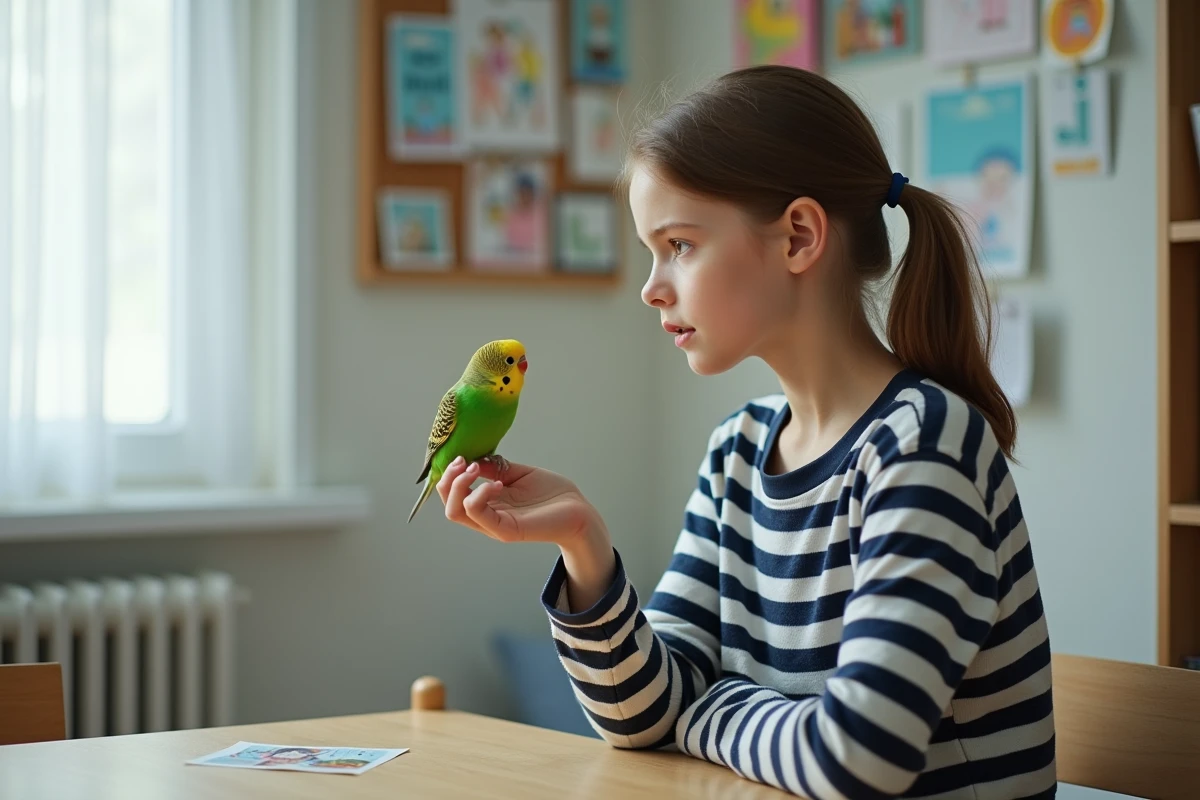
Secrets of animal behavior: decoding what your companion expresses
A dog that yawns in the absence of fatigue expresses stress. A cat kneading your knees reproduces a kitten gesture related to nursing. A rabbit that makes lateral jumps (binkies) shows an intense state of well-being. These signals go unnoticed if you don’t know how to read them.
The difficulty lies in the fact that each species has its own communication register. Projecting human emotions onto an animal leads to frequent misinterpretations. A cat waving its tail does not express joy as a dog would: it is often a sign of irritation or tension.
Observing your animal in various contexts (rest, play, interaction with other animals, confrontation with a new element) allows you to gradually build a reliable reading grid. This regular observation work is more useful than any connected gadget sold as a translator of animal emotions.
Coexisting with a pet relies on a balance between its real needs and our life constraints. European regulatory evolutions, advances in ethology, and lessons learned from the wave of post-Covid abandonments all point in the same direction: knowing your animal better before and after adoption remains the best guarantee of a lasting relationship.