A parent looking to understand how to occupy their child without screens in 2024 finds a wealth of advice, often contradictory. The parenting trends of 2024 are not limited to a single debate. Several concrete measures, revised educational approaches, and reflections on the role of digital technology are reshaping the daily lives of families in France.
Lazy Parenting: An Educational Framework, Not Neglect
There is increasing talk of “lazy parenting” among parents and early childhood professionals. The term may bring a smile, but the principle is serious: stepping back voluntarily so that the child develops autonomy. This idea is rooted in a psychological tradition that values the measured presence of the adult, who does not intervene at every minor difficulty.
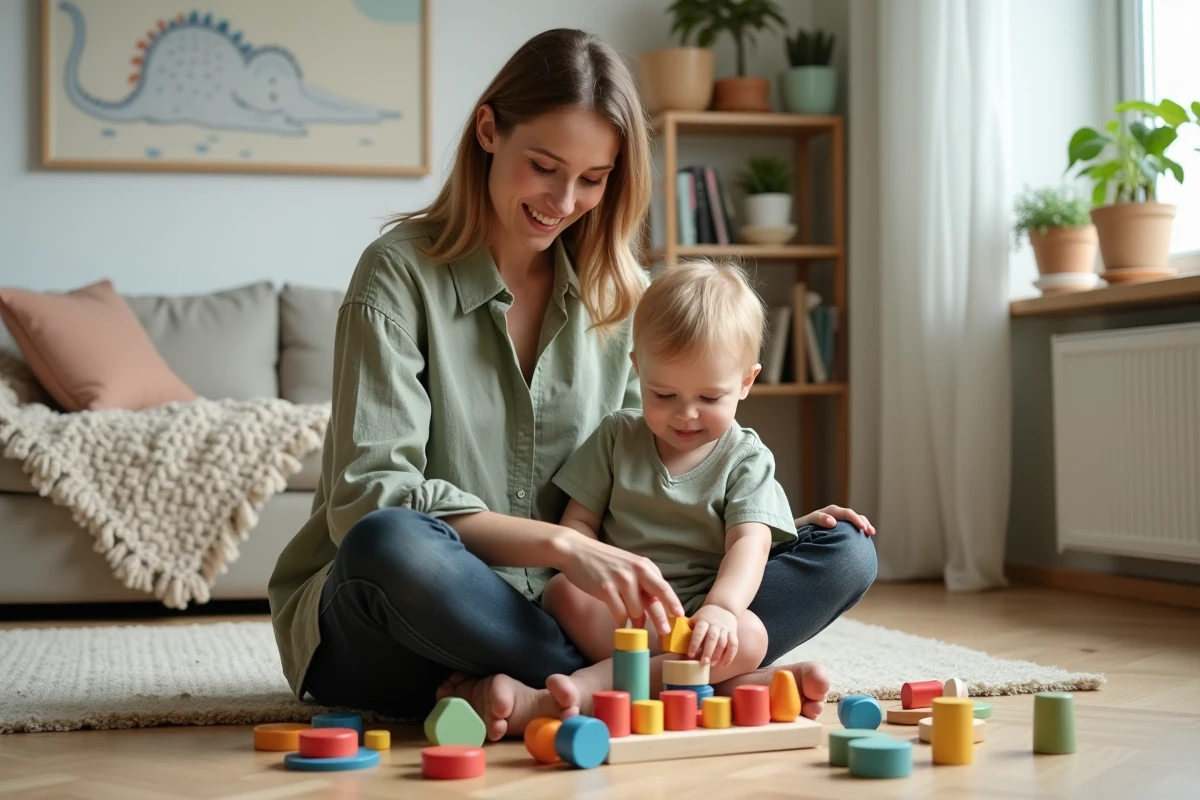
Psychologists and educators report a growing adoption of this approach, with field feedback showing a reduction in parental mental load and an increase in problem-solving skills among children. In practical terms, this involves simple actions: allowing a four-year-old to try to zip up their jacket alone, not scheduling every minute of Wednesday, accepting that they might be bored.
To follow the updates from 1 maman blogueuse on these topics, it’s a good starting point to gather feedback from parents who are testing these methods daily.
Feedback varies on this point: some parents find that letting go works as early as preschool, while others observe that their children demand more attention before gaining autonomy. The family context (number of children, presence of a second parent, living space) significantly influences the situation.
Parental Respite in France: What the CAF Implemented in 2024
Parental respite has moved beyond mere good intentions. The Family Allowance Funds have strengthened support measures for parenting in 2024, making respite a priority in their annual guidelines. The stated goal: to allow parents to recharge so they can better reconnect with their children.
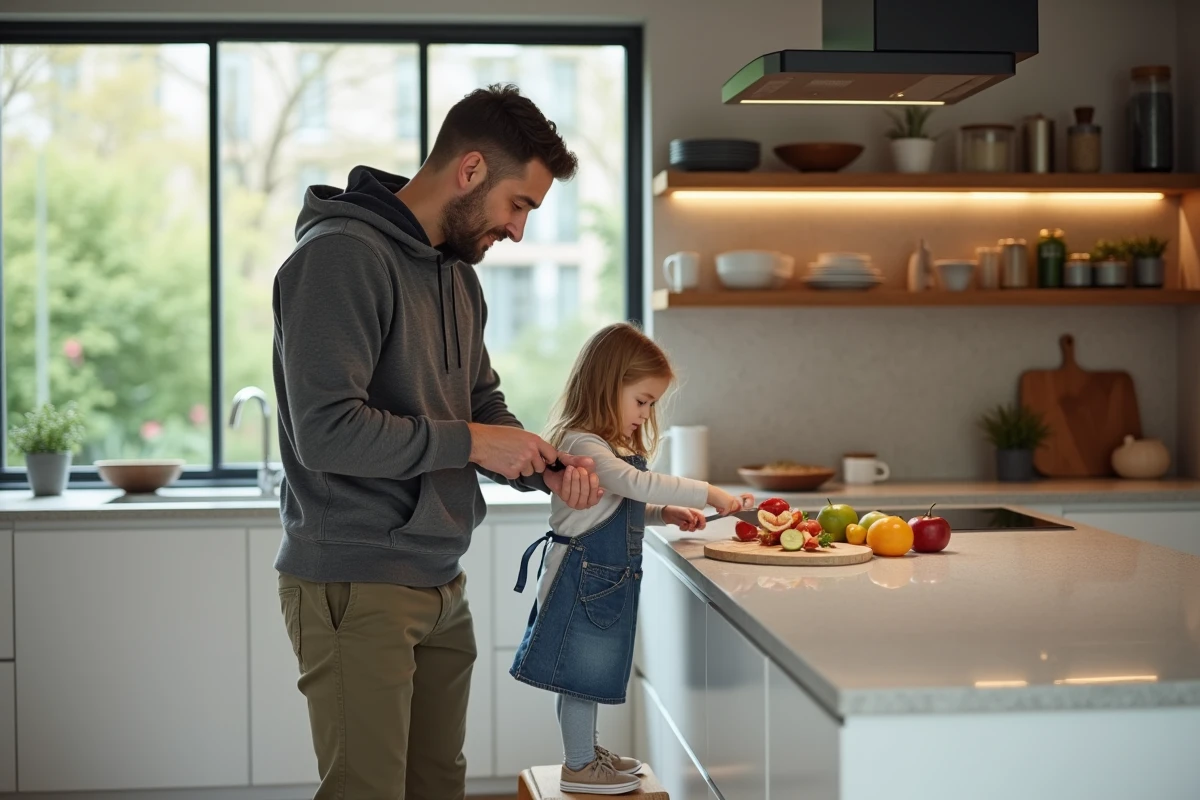
We are talking about special moments, not vacations. Actions funded by the CAF through the REAAP (Networks for Listening, Supporting, and Assisting Parents) include parent-child workshops, collective times for adults, and occasional childcare arrangements to take a breather for a few hours.
What This Changes for a Family on a Daily Basis
For a single parent or a mother in a state of exhaustion, accessing a few hours of respite through a local program can unlock a spiral. The CAF 2024 guidelines also emphasize co-parenting in cases of separation, with support to ensure that shared parental authority remains constructive for the child.
Blended families are also part of the scope: supporting each person’s role in a new family unit is an area that the REAAP is increasingly formalizing.
Positive Parenting: Two Currents Not to Be Confused
Positive parenting is everywhere, but it encompasses very different realities depending on the source. The collective Assez, which brings together early childhood professionals, has distinguished two currents since 2024:
- An approach based on the work of Alfred Adler and Jane Nelsen, scientifically validated, which combines empathy and firm limits in the educational relationship
- An approach inspired by the popularization of neuroscience by authors like Filliozat and Gueguen, more focused on kindness but sometimes perceived as dogmatic by field professionals
- A point of convergence: both currents reject educational violence but diverge on the role of authority and how to set limits
The difference lies in the framework. The first current assumes that saying no is part of positive education. The second sometimes tends to present any frustration as an educational failure, which puts pressure on parents.

Children and Screens: Parents Underestimate Actual Exposure Time
Digital devices are present in nearly all households with children. What recent surveys reveal is a clear gap between the screen time estimated by parents and the actual measured time. Parents tend to underestimate how much their children use tablets, smartphones, and televisions.
This observation fuels growing concern but also a need for concrete support. Parents are not asking to be lectured about screens. They are looking for tools to frame usage without creating ongoing conflict.
Effective Strategies on the Ground
- Define screen-free time slots linked to specific moments (meals, school commute, the last hour before bedtime) rather than an abstract daily quota
- Use screens together rather than as a tool for “passive babysitting,” by watching or playing with the child
- Offer immediately accessible physical alternatives (drawing box, building game, book) so that the screen reflex is not the only option available
The 2024 trend in parenting and digital technology leans towards co-use rather than prohibition. Families that achieve the best results do not eliminate screens: they frame them with simple and consistent rules.
The landscape of parenting in 2024 cannot be summed up in a single motto. Between the institutionalized respite provided by the CAF, the rise of lazy parenting, and the clarification of positive education currents, each family picks what works in their configuration. Current measures go in this direction: easing the parental load and giving children more space to build their autonomy.