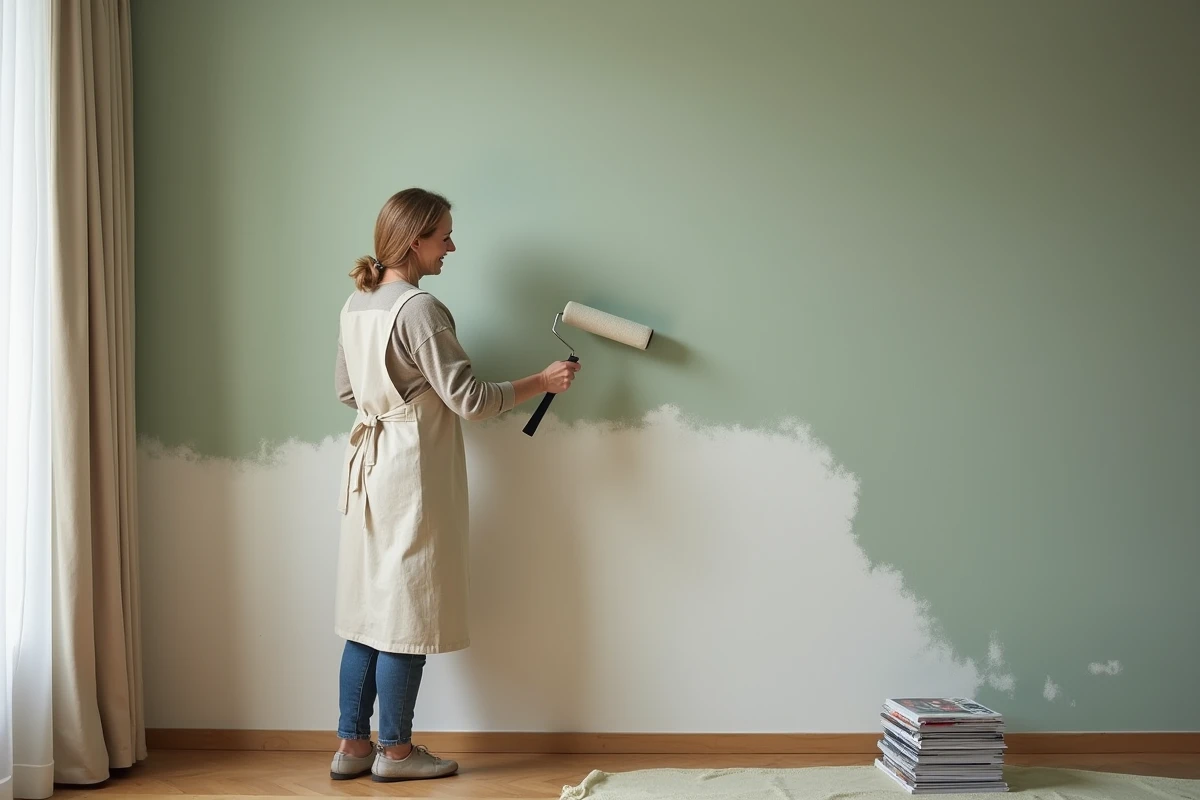
Furnishing and maintaining a home relies on concrete trade-offs between materials, equipment, and maintenance habits. The gap in constraints between an interior designed to minimize maintenance and a traditional layout is measured in weekly work hours, renovation frequency, and replacement costs of coverings. Which design and equipment choices truly reduce maintenance burdens, and which are merely marketing claims?
Low-maintenance coverings: comparison by room and use
The choice of covering directly influences long-term maintenance time. Not all surfaces age at the same rate, and resistance to stains or moisture varies significantly depending on the material.
| Room | Traditional covering | Low-maintenance covering | Typical maintenance |
|---|---|---|---|
| Kitchen | Cement joint tiles | High-end vinyl flooring | Simple wet cleaning, no joints to bleach |
| Bathroom | Wall tiles + silicone joints | Waterproof wall panels (PVC or composite) | A wipe is enough, no mold on joints |
| Living room | Oiled solid wood flooring | High-resistance laminate flooring | No periodic varnishing |
| Exterior facade | Traditional plaster | Composite cladding | No staining or frequent renovations |
The French Building Federation has highlighted since 2023 a growing demand for homes with minimal maintenance coverings, particularly among first-time buyers and seniors. Washable paints, vinyl floors, and aluminum joinery without staining are among the most sought-after materials in new projects.
To delve deeper into recent trends in interior design and maintenance, it remains useful to consult atomnews.info online before finalizing material choices.

Home automation and domestic robotics: what saves time daily
Household automation is no longer limited to a standalone robot vacuum. Manufacturers now offer integrated systems (vacuums, window cleaners, robot mowers) that can be controlled from a single connected home app. The Cetelem Observatory, in its 2024 edition, notes a significant increase in domestic robotics equipment in French households.
The actual gain depends on the type of equipment and the housing configuration.
- Robot vacuums with self-emptying stations operate autonomously for several days without intervention, provided the floor is clear (no fringed rugs, cables tucked away).
- Robot mowers cover medium to large areas, but their efficiency drops on very steep terrain or with many fixed obstacles.
- Robot window cleaners manage accessible flat surfaces, but struggle with small-paned windows or arched bays.
The value of these devices lies in repetitive and predictable tasks. For one-off operations (gutter cleaning, facade treatment), home automation has yet to provide a reliable solution intended for the general public.
Device compatibility: a point to check before purchase
Not all robots communicate with each other. Before investing, checking that the chosen devices are compatible with the same home automation protocol avoids multiplying applications and gateways. A unified ecosystem reduces user friction and increases the chances that the equipment will actually be used over time.

Climate adaptation of housing: designing to withstand extreme episodes
Recent recommendations emphasize adapting homes to heatwaves, heavy rains, and hail episodes. This aspect, often overlooked in design guides, has a direct impact on maintenance frequency and costs.
The Agency for Ecological Transition recommends integrating passive solar protections (sunshades, roof overhangs, bioclimatic pergolas) and effective natural ventilation from the design stage. These devices reduce reliance on air conditioning and limit wear on coverings exposed to the sun.
Greening and water management: two concrete levers
Greening the surroundings (hedges, deciduous trees on the south side) protects facades from summer overheating. Conversely, poorly managed vegetation in direct contact with walls accelerates the degradation of coatings and promotes infiltration.
In terms of water management, installing a rainwater collector reduces consumption for watering and exterior cleaning. This type of equipment can be easily integrated during construction but can also be installed during renovations with a moderate investment.
- Roofs and terraces should be inspected after each hail episode to identify micro-cracks before they cause infiltrations.
- Gutters and downspouts require seasonal cleaning, more frequently if the area has deciduous trees.
- Exterior joinery joints lose their watertightness due to UV effects and thermal fluctuations: an annual check prevents costly repairs.
Natural light and room layout: reducing dependence on artificial lighting
An interior layout designed around natural light decreases energy consumption and the feeling of confinement that leads to multiplying light fixtures (and their maintenance). Positioning living spaces to the south or southwest maximizes light intake in winter without excessive overheating if solar protections are in place.
Glass partitions or transoms above doors allow light to pass through several spaces. This layout principle, common in recent renovation projects, transforms dark hallways into well-lit areas without adding light points.
Wall colors also play a measurable role: light, matte shades reflect light without creating glare, reducing the need for supplementary lighting during the day. Earthy and neutral tones, prevalent in current decor trends, fulfill this function while providing a warm palette.
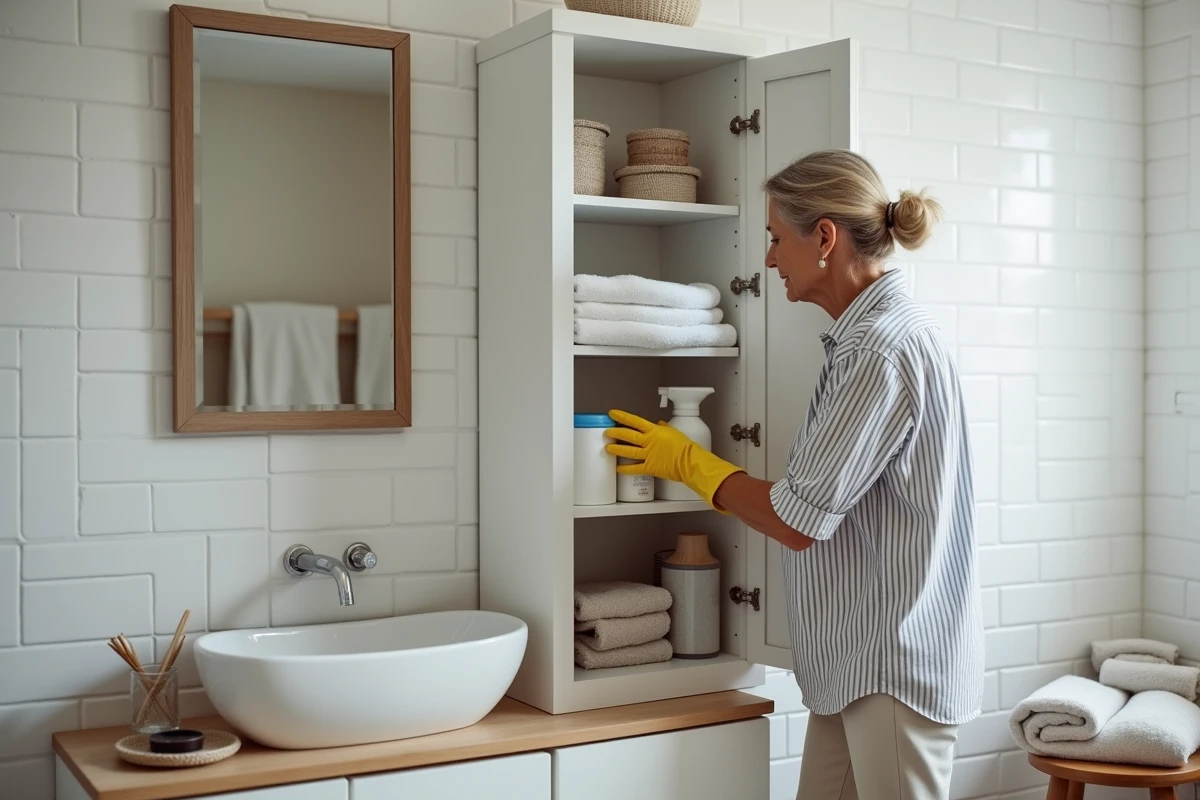
The choice of materials, the integration of home automation, and adaptation to the local climate form three axes that, when combined, concretely reduce the time and budget allocated to maintenance. The most structuring factor remains the covering: it determines, room by room, the maintenance burden over ten or twenty years. It is better to invest more in installation than to accumulate cleaning hours or premature renovations.